Tall 6-Inch Architectural Baseboards vs Minimal Flush Trim
See when tall stepped warm-white baseboards elevate classic sage and herringbone oak vs when slim shadow trim fits limewash and microcement.
Standard 2.5-inch builder clam-shell trim makes expensive painted walls look subtly unfinished—yet swapping out every baseboard cleanly sits right between painting weekends and laying new flooring! Comparing tall 6-inch crisp white baseboards against slim minimal shadow trim over your own doorway view solves proportions immediately.
Where 6-inch architectural trim frames colored walls crisply
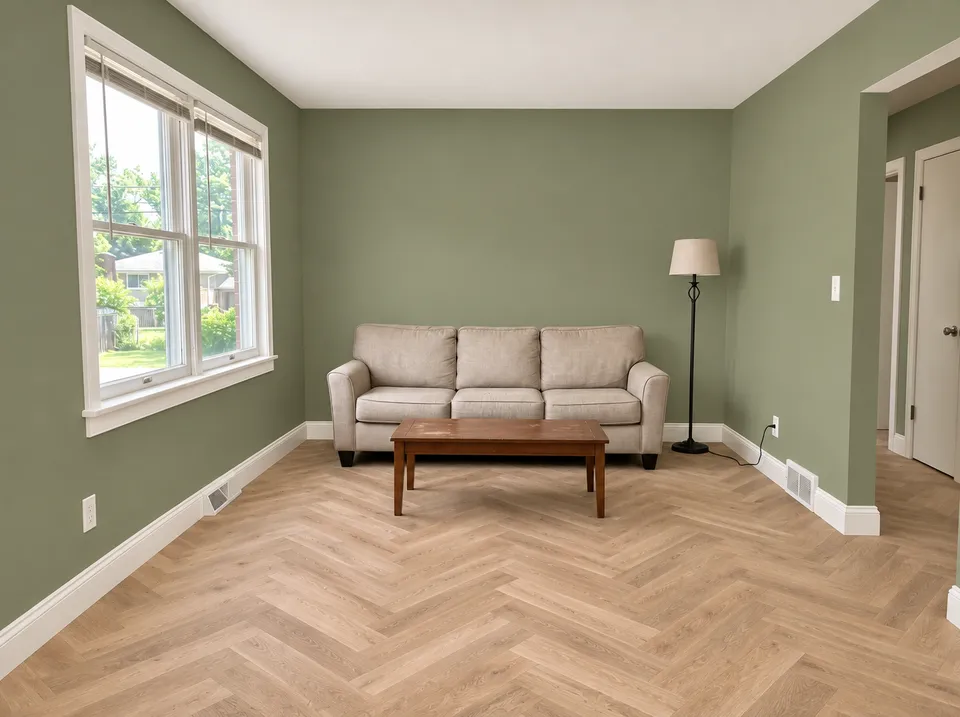
In Sage & Herringbone Oak and Olive & French Chevron, adding crisp square-edged 5.5-to-6-inch baseboards sets clean visual breathing space between patterned parquet and botanical paint—making 8-to-9-foot drywall corners read finished! Check lower electrical outlet box clearances cleanly before buying extra-tall boards.
Where slim flush trim blends softly with plaster & stone
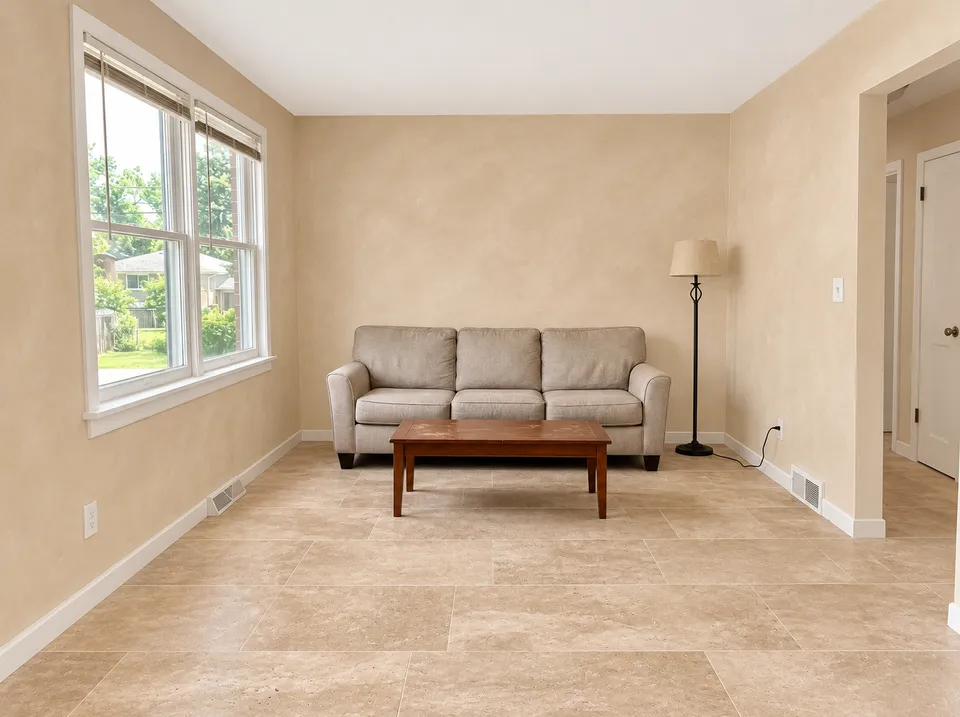
Look closely along wall edges inside Limewash & Travertine and Charcoal & Microcement: slender 2-inch square baseboards painted the exact limewash or wall color let cloudy organic wall surfaces drop smoothly onto stone or concrete floors cleanly without loud horizontal stripes.
Toggle Surface details: Tall baseboards vs White trim inside PaintFloor AI and remember cleanly: replace old baseboards ONLY when lifting carpet cleanly for hardwood so fresh quarter-round shoe molding isn't even needed!
Further paint & flooring reading
- Architectural Digest — Baseboard Proportions & Ceiling Height Pairing
Standard 5.5-to-7-inch casing sizing relative to window trim and parquet flooring.
Related surface decisions
Baseboards, trim & wall-to-floor pairings
Painting Baseboards & Window Casings Bright White vs Matching Wall Color
Wall paint colors, undertones & sheens
Warm Alabaster vs Pure Bright White Wall Paint & Trim Pairings
Wall paint colors, undertones & sheens