Underfloor Radiant Heat Guide: Oak Planks vs Travertine vs Microcement
Evaluate thermal conductivity, oak drying expansion gaps, and sleek radiant comfort across hardwood, stone slabs, and seamless microcement.
Nothing heals chilly winter tiled spaces faster than radiant warm floors—yet not every wood plank or floor overlay handles steady radiant heat expansion identically!
Stone, terrazzo & microcement deliver maximum thermal speed
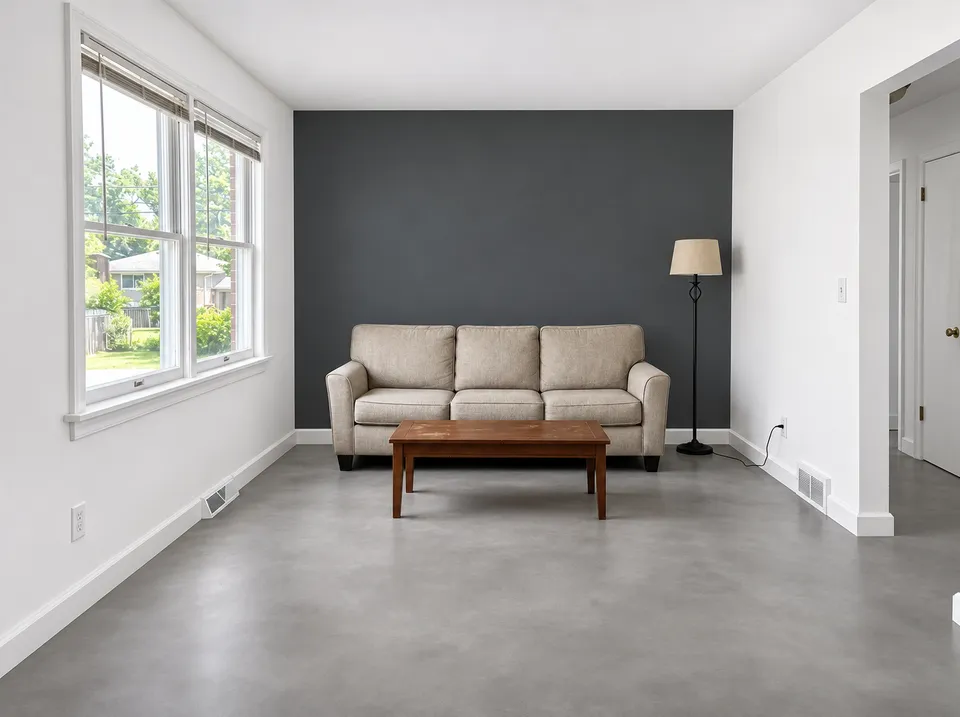

Dense stone and cement layers like Charcoal & Microcement and Limewash & Travertine conduct heat upward quickly without thermal wood-plank insulation losses—never warping or drying cracked seams across freezing winter snaps!
Using engineered white oak safely above radiant heat
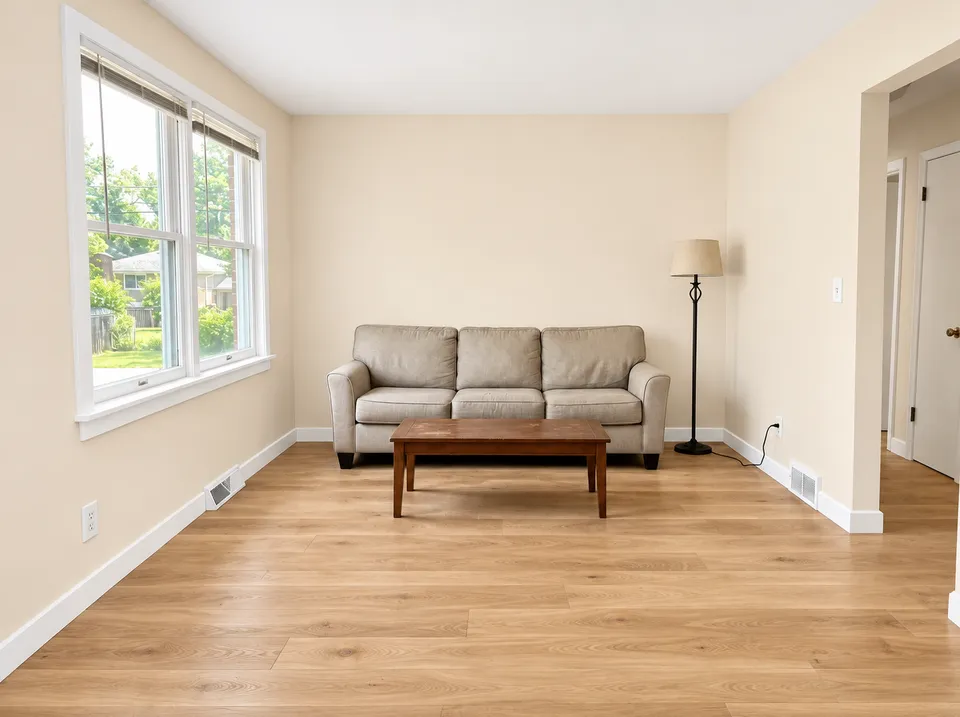
Prefer wood warmth instead? Choose cross-ply engineered white oak or European herringbone explicitly warranted for hydronic or electric subfloor radiant systems—never unstable nail-down solid wide boards! Maintain gradual seasonal thermostat ramping and keep room air relative humidity stable so boards never split dry seams cleanly over winter.
Verify written manufacturer radiant-temperature ceiling ratings (~80–85°F typical maximum surface limits) cleanly alongside your contractor before buying slabs, and preview finishes freely in PaintFloor AI.
Further paint & flooring reading
- ArchDaily — Hydronic Radiant Floor Material Conductivity
Comparing stone thermal transfer and engineered oak moisture tolerances over radiant manifolds.
Related surface decisions
Stone, terrazzo & microcement floors
Natural Honed Travertine vs Porcelain Stone-Look Floor Tiles
Stone, terrazzo & microcement floors
Seamless Grey Microcement vs Polished Concrete Floors in Existing Homes
Hardwood, parquet & plank flooring