Paint LRV Explained: How North vs South Windows Shift Every Color
Learn Light Reflectance Value (LRV) quickly so light greige, muted sage, and creamy alabaster do not blind bright rooms or turn dreary north.
Flip over any architectural paint swatch fan deck and a two-digit number sits printed beneath the shade name: LRV (Light Reflectance Value), running from 0 (pitch-black velvet) to 100 (blinding mirror pure white). Knowing where a shade sits on that simple LRV scale stops north-facing rooms turning cold gray and sun-drenched south rooms glowing harshly!
Checking how incoming sky angles reshape LRV perceptions cleanly
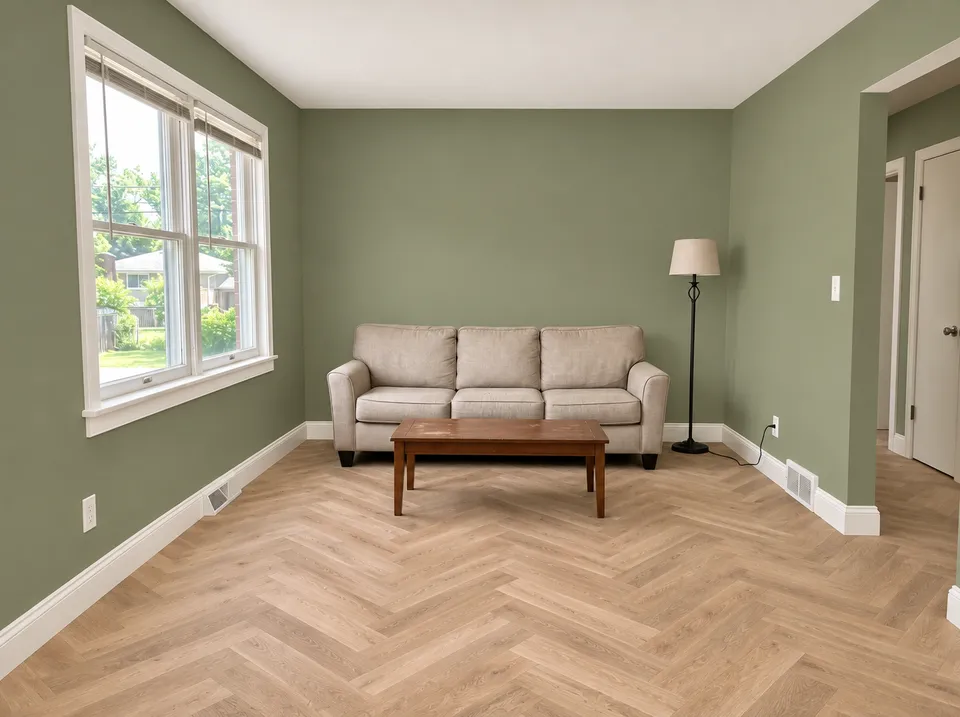
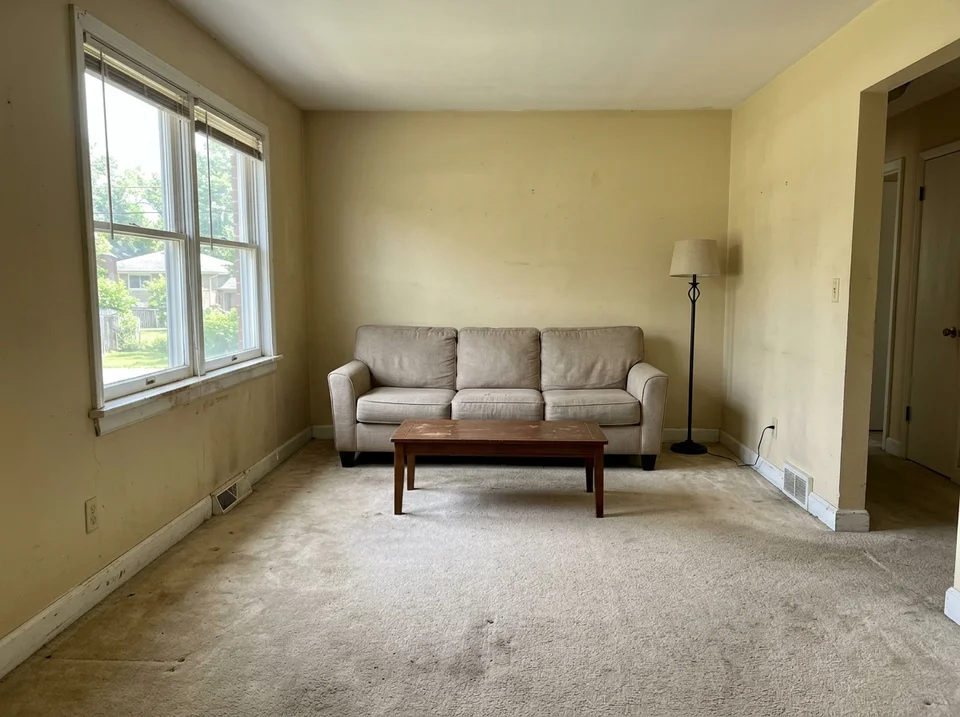
- North-facing shade & heavy tree canopy: Indirect cool blue light flattens dull grays rapidly cleanly! Favor warm-undertone off-whites around LRV 75–84 (Alabaster & White Oak) or airy warm moss-sages around LRV 45–55 so natural brightness stays inviting.
- Direct glaring south & west windows: Blazing sunbeams wash weak pale tints out white while saturating yellows intensely! Rooms soaked in southern sun hold rich lower-LRV shades like muted sage, taupe-greige (Greige & Walnut), or cozy charcoal (Charcoal & Microcement) cleanly without caving dark!
3-Step Daylight Check Inside PaintFloor AI
Use Daylight presets deliberately across the exact same room frame inside PaintFloor AI: test Even overcast (simulating shaded north sky) next to Golden afternoon (intense warm sun) before locking paint tins at hardware counters cleanly.
Further paint & flooring reading
- Sherwin-Williams — Understanding Light Reflectance Value (LRV)
0-to-100 LRV luminance scale guiding white brightness vs dark navy/charcoal absorption.
Related surface decisions
Wall paint colors, undertones & sheens
Warm Alabaster vs Pure Bright White Wall Paint & Trim Pairings
Daylight, paint LRV & contractor sampling
Why You Must Test True-Color Daylight vs Evening Lamps Before Painting
Daylight, paint LRV & contractor sampling